Vibe Coding Security Checklist: 10 Things to Check Before You Ship
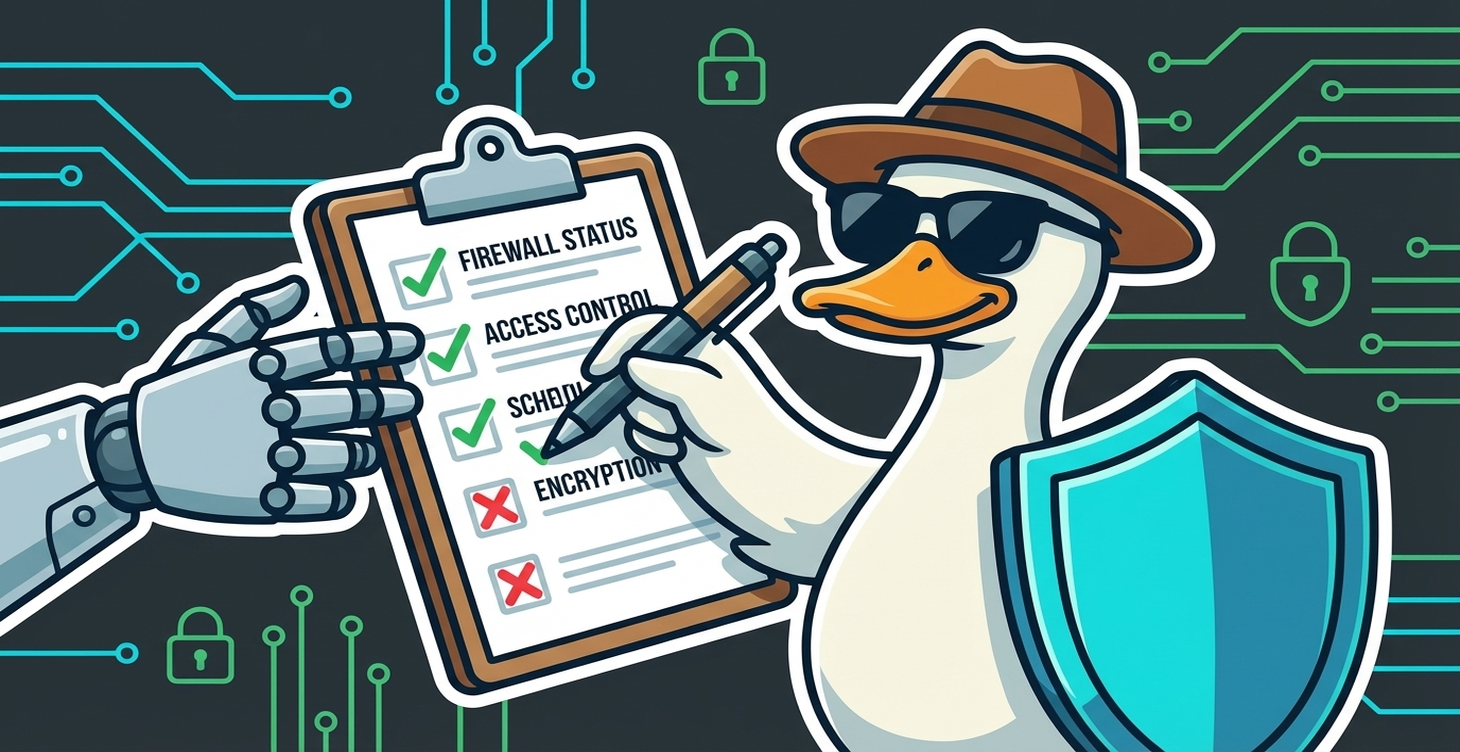
45% of AI-generated code has security vulnerabilities. Here's a plain-English checklist to catch the most common issues before they become your problem.
Insights on vibe coding, AI systems, DevOps, scaling startups and how to keep your projects swimming smoothly.

45% of AI-generated code has security vulnerabilities. Here's a plain-English checklist to catch the most common issues before they become your problem.

You just connected a project to SlyDuck. In five minutes, you'll know more about its health than you did in the last six months. Here's what happens.

Most developers check their dependencies when something breaks. By then, you've been vulnerable for months. Here's how daily scans save you from becoming a headline.

AI writes 80% of your code now. You ship fast and it (usually) works. But when Cursor builds your auth system and Copilot writes your API routes, who's responsible when something breaks?

"Two engineers can now create the tech debt of fifty." Here's what that actually means for your AI-built projects—and how to manage it.

Bolt gets you 70% of the way to a working app. Here's how to handle the other 30% before you go live.

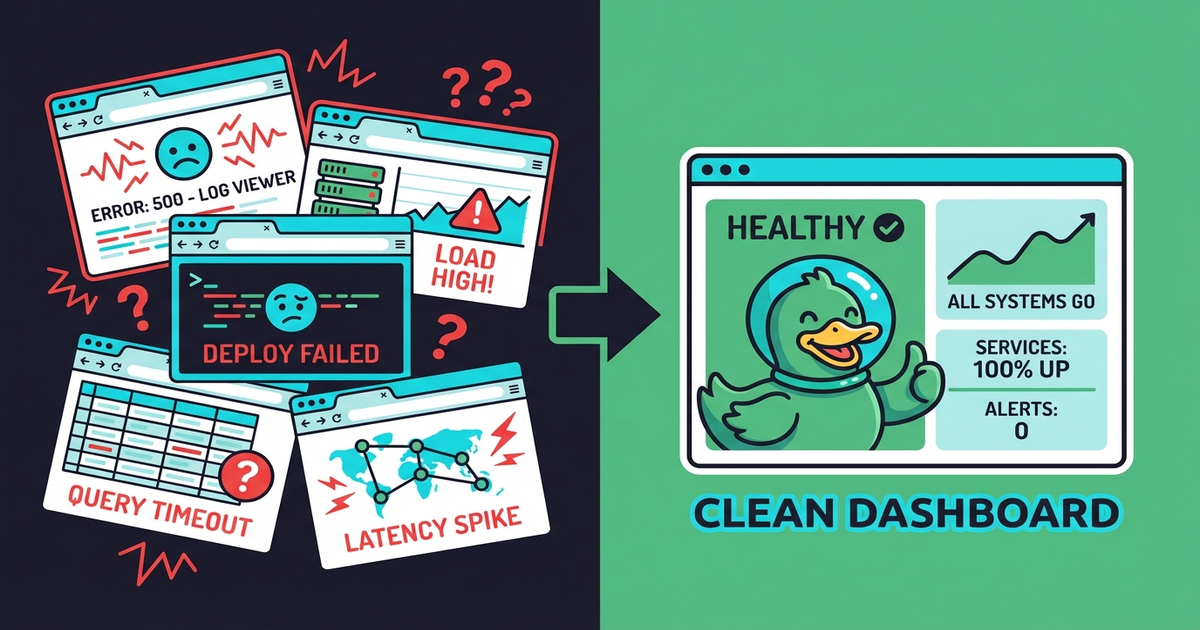
You built one app with AI. Then another. Now you have five. Each has its own Supabase, Vercel, domain... and you're drowning in dashboards.

In May 2025, a vulnerability exposed 170+ Lovable-built apps. Here's what happened, whether it affects you, and what to do about it.

Your Supabase project went inactive and now it's paused. Your users are getting errors. Here's how to fix it, prevent it, and decide if it's time to upgrade.

You wake up, grab coffee, and start the ritual: Vercel, then UptimeRobot, then GitHub, then PageSpeed, then... There's a better way.

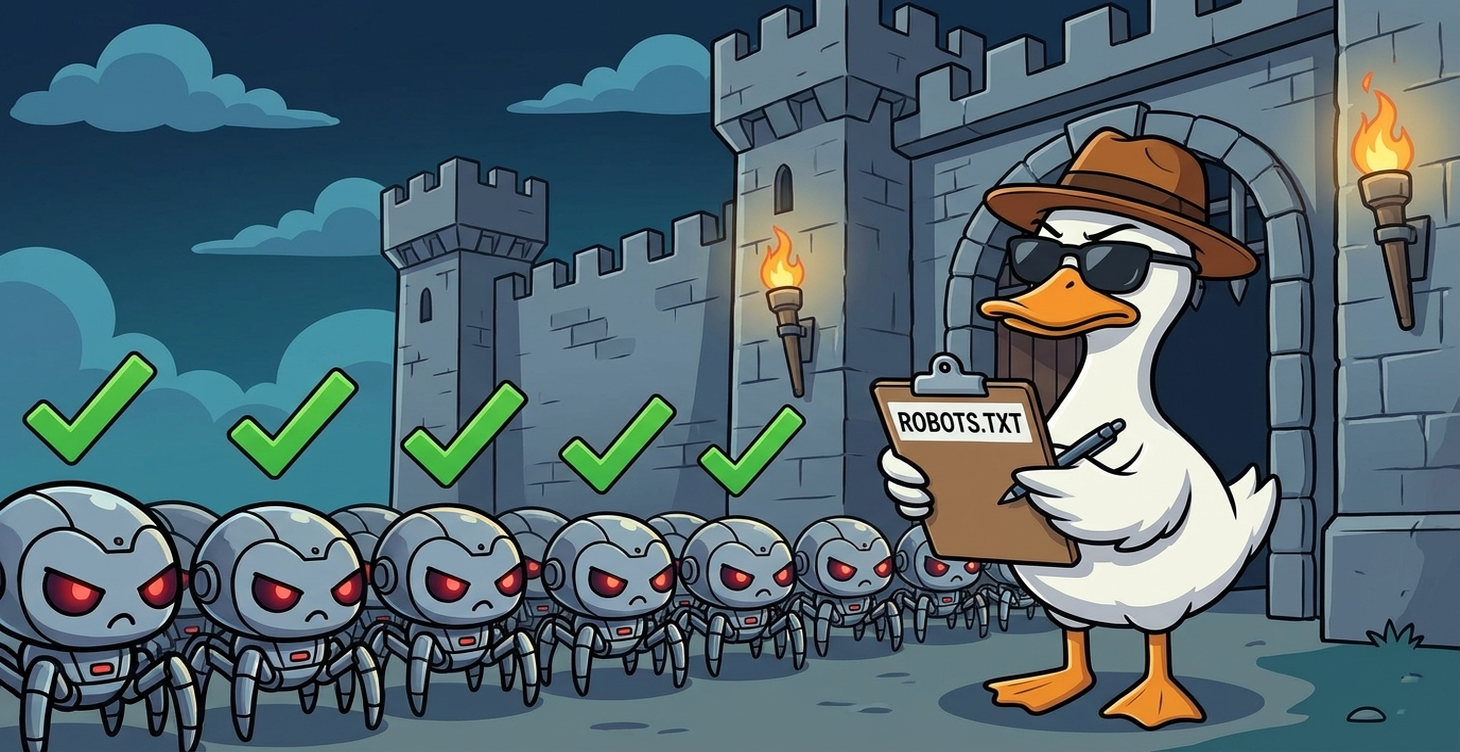
GPTBot, ClaudeBot, PerplexityBot — they're all crawling your site right now. Some you want. Some you don't. Here's how to take control of your AI visibility.

You don't have an ops team. You don't have on-call rotations. But you do have users who expect your app to work. Here's your survival guide.

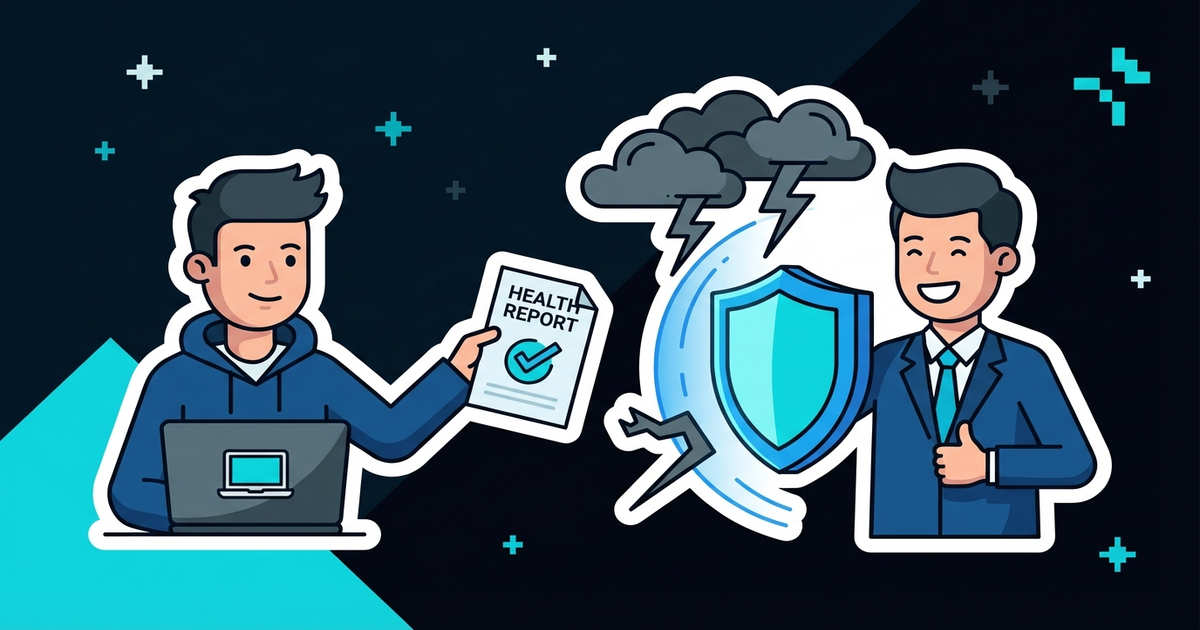
For freelancers and agencies: how to proactively report project health to clients before they notice problems. Turn monitoring into a selling point.

Free tiers are amazing for getting started. But as your traffic grows, the hidden costs add up fast. Here's what you need to know before that first bill surprises you.

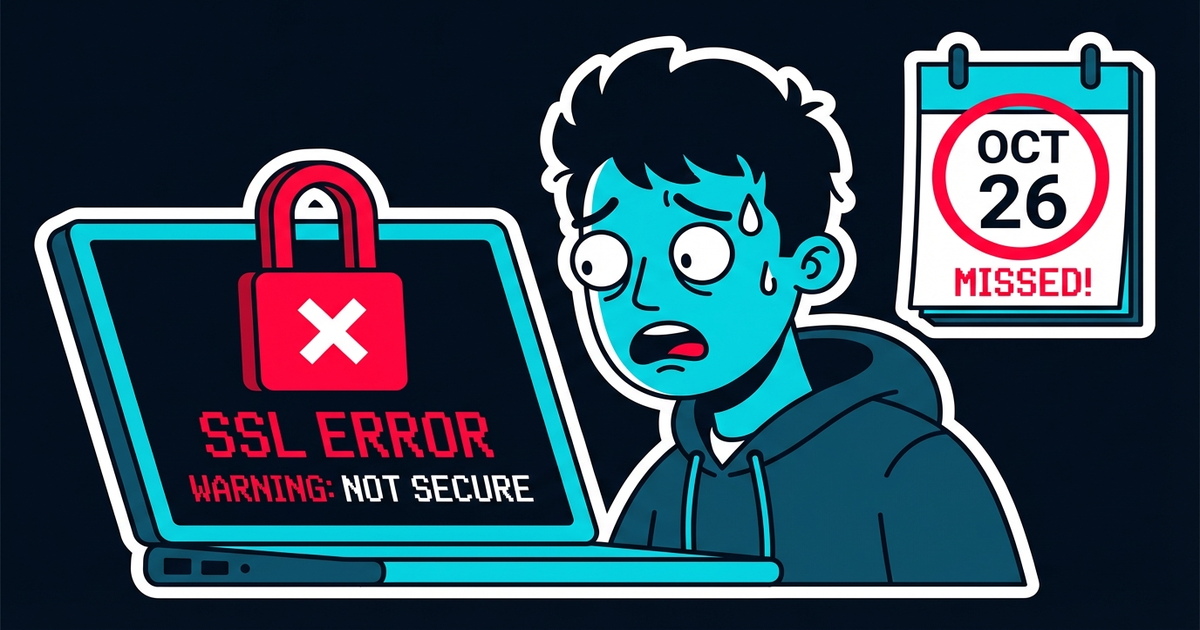
Auto-renewal is supposed to handle this. But auto-renewal fails more often than you think. Here's why SSL expiry is still a problem in 2026.

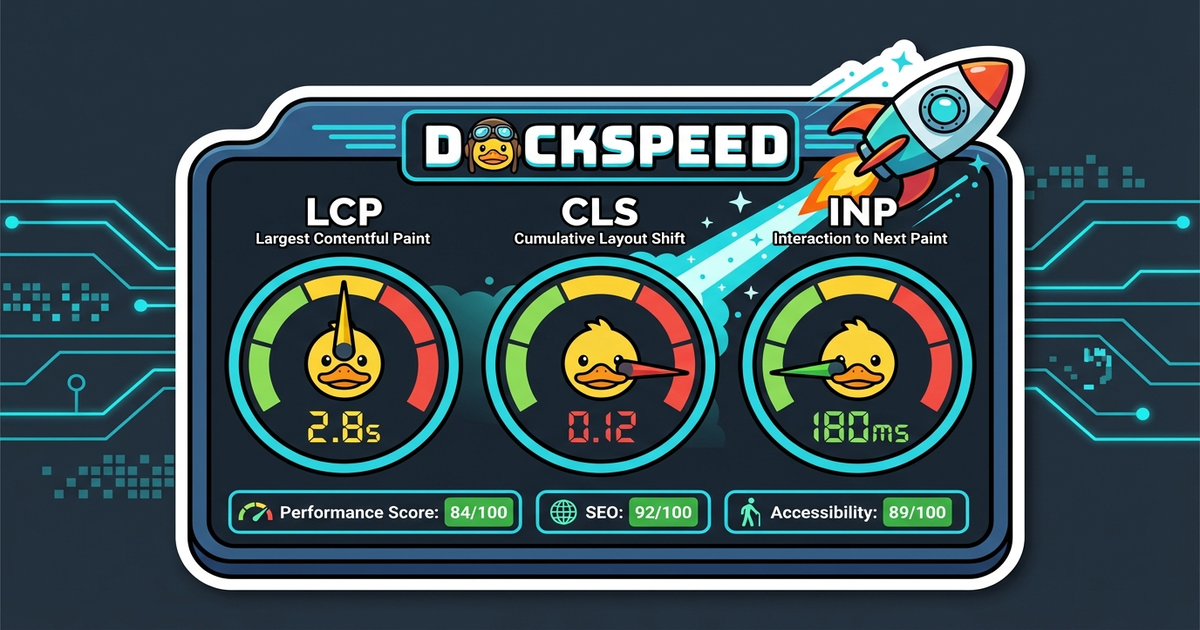
Google keeps updating what matters for performance. Here's the current state of Core Web Vitals and where to focus your optimization efforts.

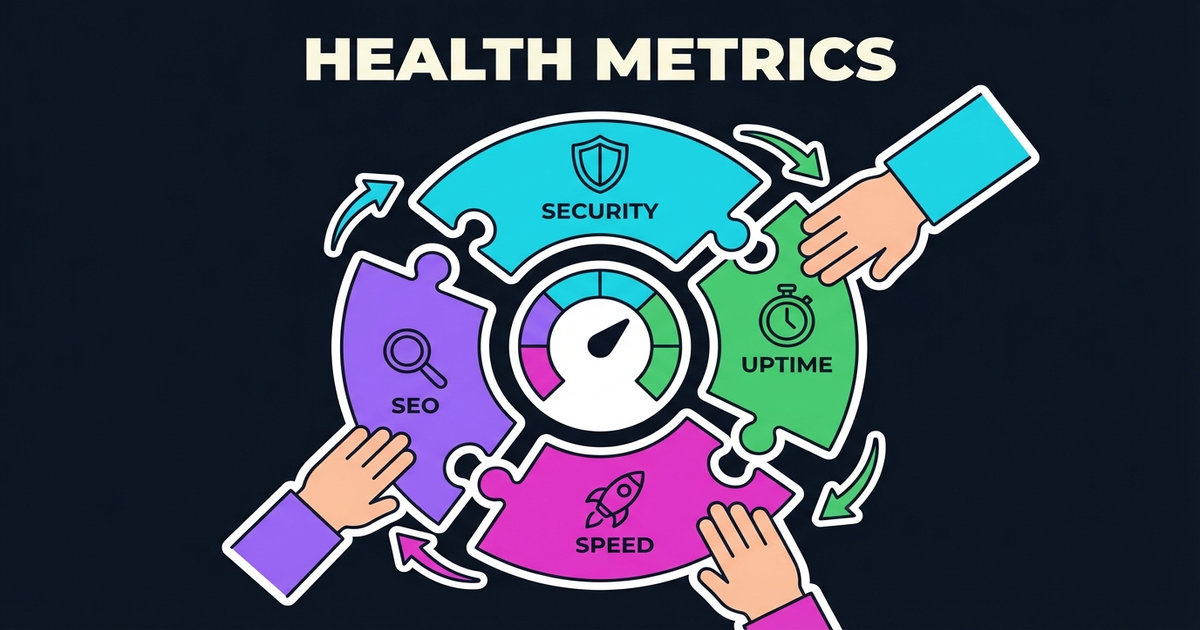
SlyDuck gives your project a health score. But what goes into that number? Here's the full breakdown of how we calculate it—no black boxes.

Running three side projects doesn't have to mean three hosting bills. Here's how to keep your infrastructure costs minimal while still building real products.

Git is not a backup strategy. GitHub is not invincible. Here's why you need actual backups.

A true story about launching a product, getting customers, and then watching Chrome show them a scary security warning. Learn from my mistake.

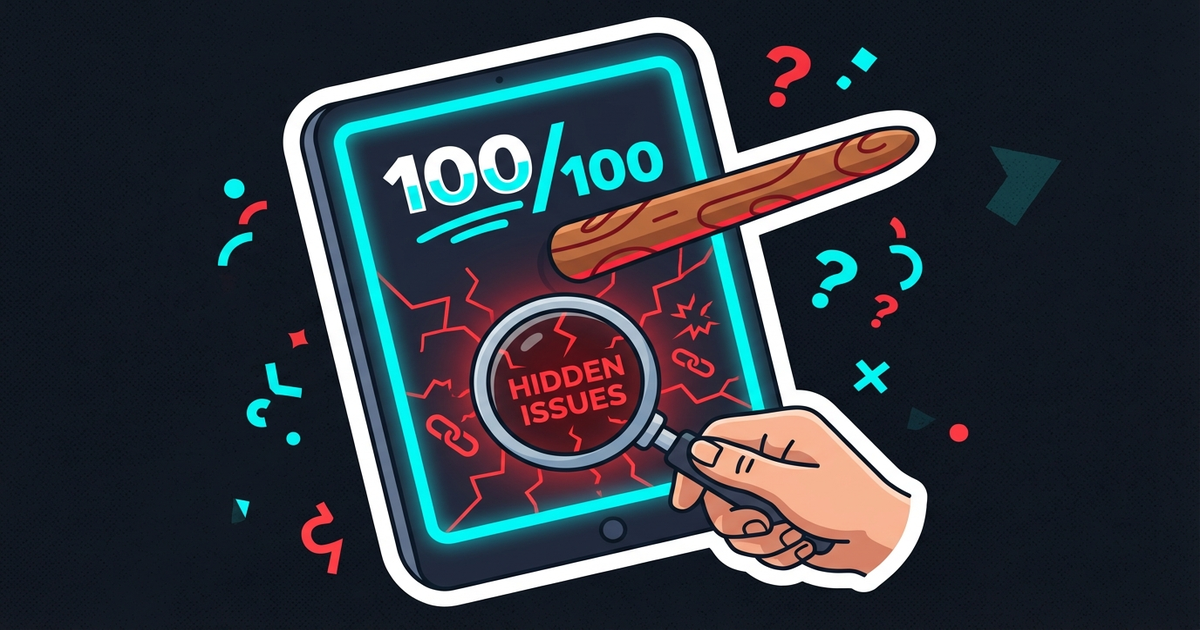
That 98/100 SEO score looks great. But it might be hiding real problems that affect your actual rankings.

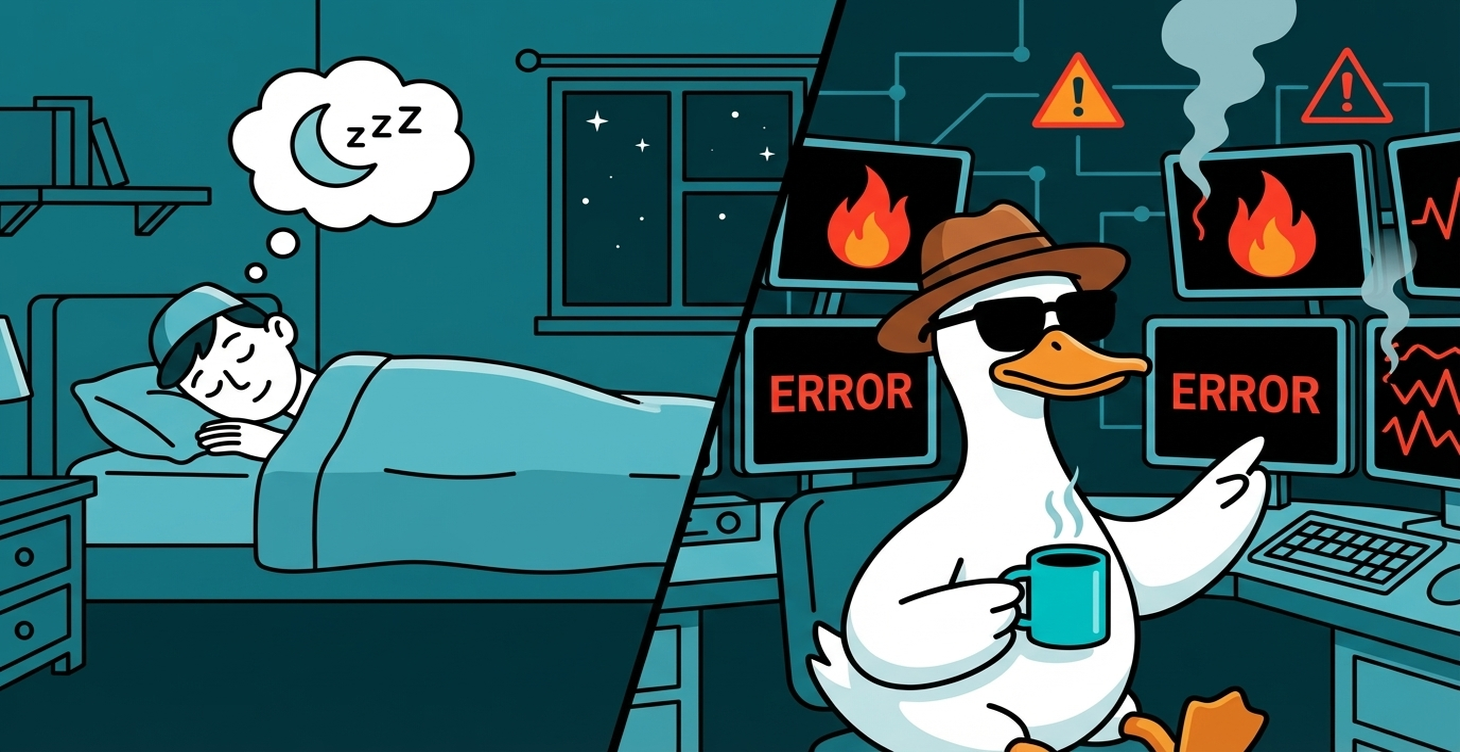
You shipped a bug at 11 PM. Your site broke at 2 AM. You found out at 8 AM from angry users. Here's how to never have that morning again.

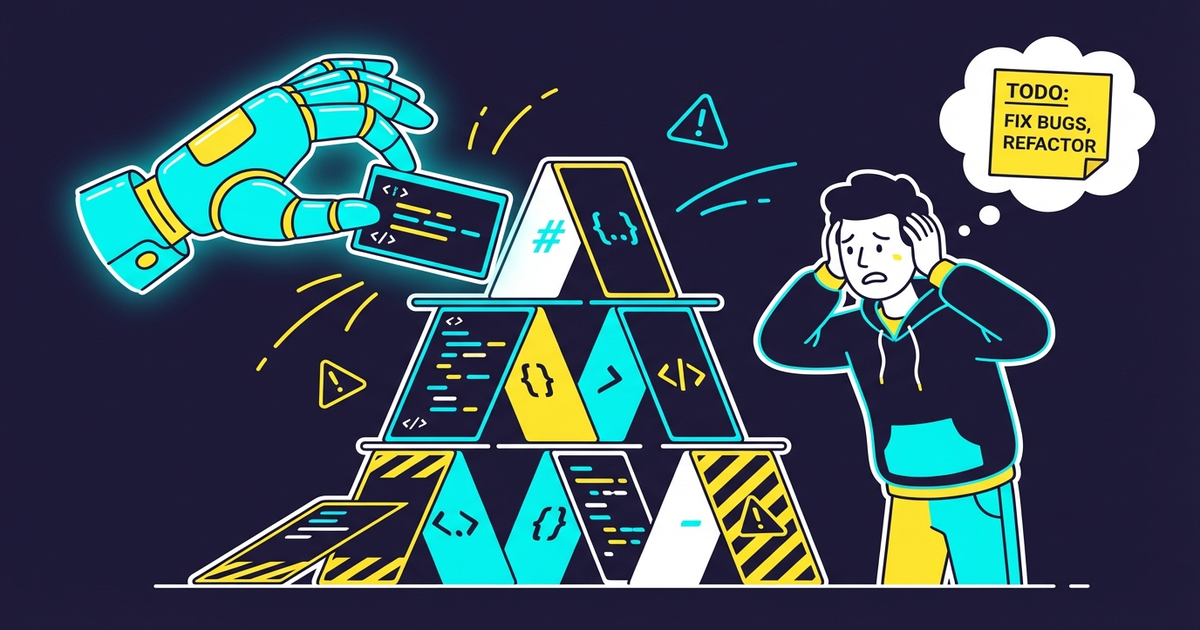
Cursor and Copilot write great code fast. But six months later, you're maintaining a codebase you don't fully understand.

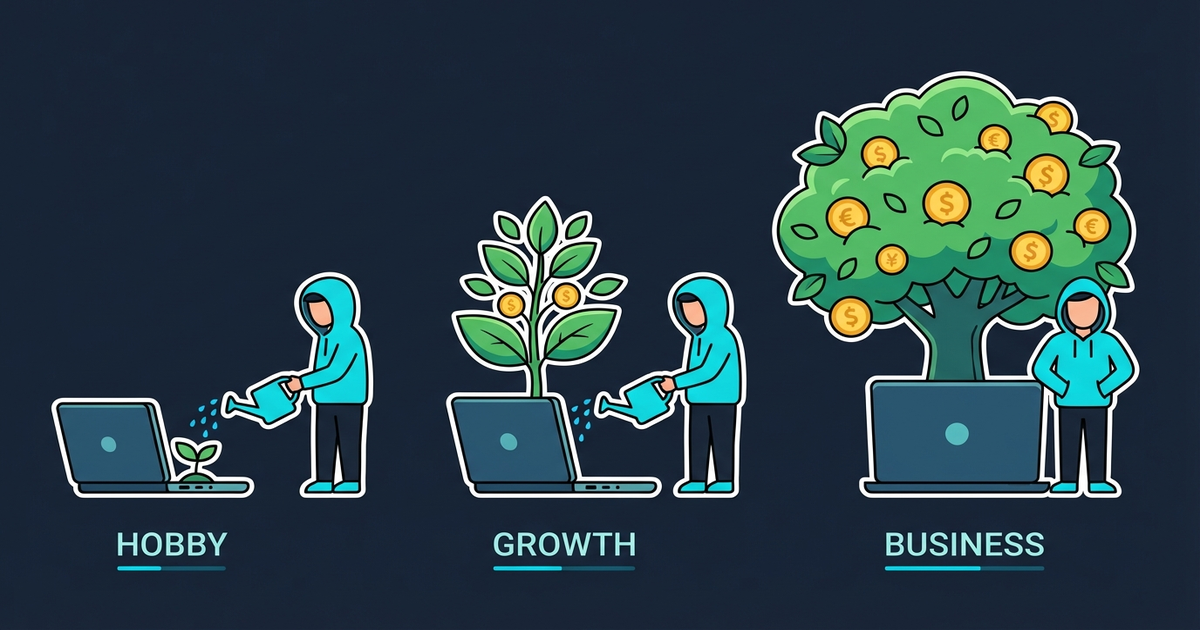
Your side project got its first paying customer. Now uptime actually matters. Here's how to professionalize without enterprise pricing.
Get the latest on vibe coding, AI development, and keeping your projects healthy. No spam, just good stuff.